











Whoa, this wallet is slick! I installed the Phantom browser extension yesterday and poked around. It felt immediate and polished, like they cared about UX. At first glance everything seemed simple — key management, token swaps, and a clean activity log — but deeper down I started noticing subtle design choices that actually shape how you make decisions when sending money. I’m biased though; I build extensions and have opinions.
Really, this is worth a look. Phantom supports Solana natively and integrates with dApps smoothly enough to impress. It pops up on Chrome, Brave, Edge, and in some Firefox builds with relative ease. Security is always the tense part; my instinct said “don’t trust random extensions”, and actually that saved me when I spotted a fake copycat in the wild with near-identical branding but a different publisher name. Something felt off about that fake—small misspellings in the description.
Hmm, I got suspicious fast. Initially I thought it was forgiving, but then realized the surface is wide. I audited wallet permissions, checked the signature, and compared the publisher ID. If you’re installing any Solana extension you should cross-check the publisher, read community forums, and prefer links from trusted sources because once your seed phrase is exposed recovery is impossible. Also, seed phrases deserve offline storage and a hardware wallet backup when possible.
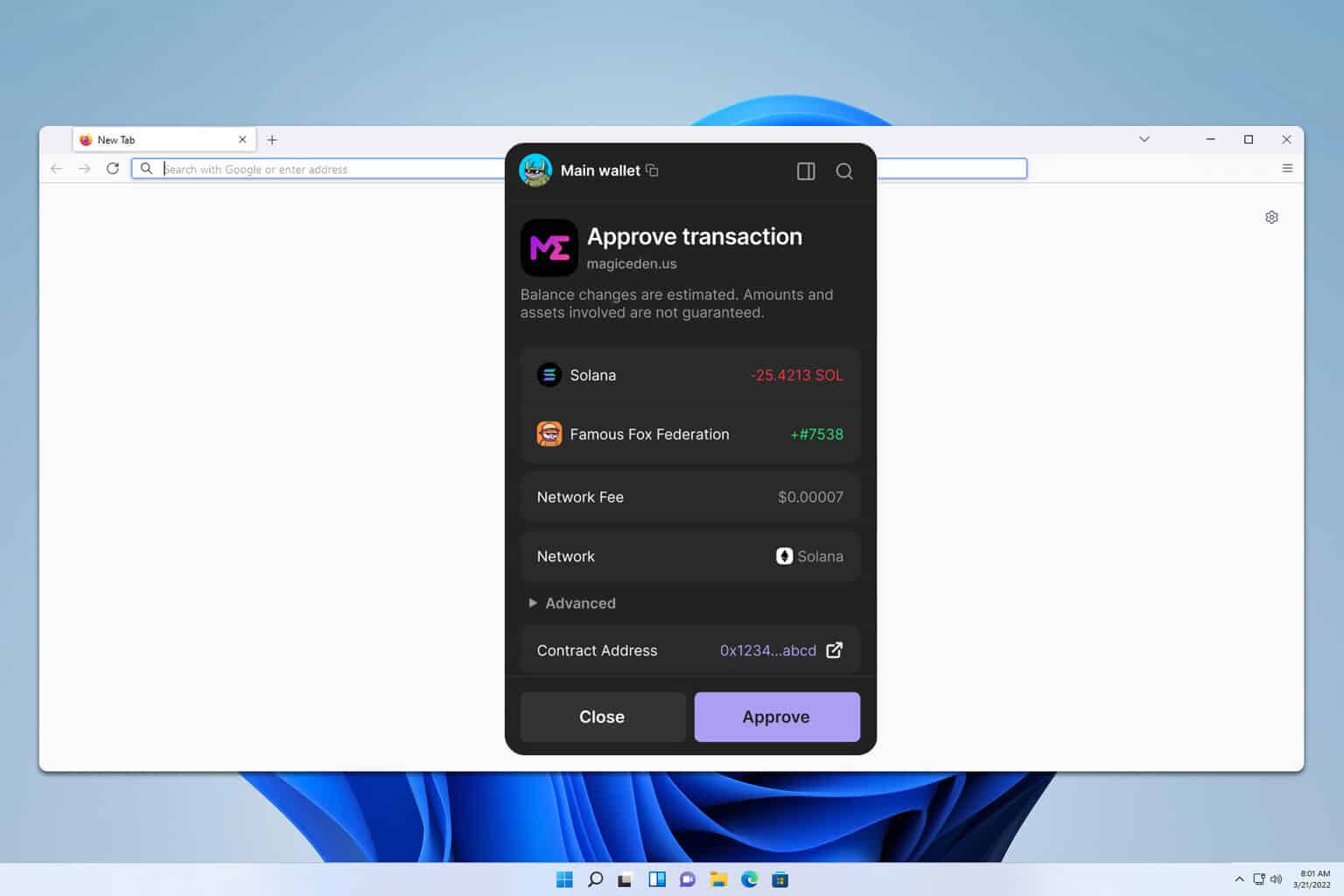
Wow, I didn’t expect that. Installation is straightforward but the UX hides advanced features under three-dot menus. The token swap flow is fast and fees are noticeably lower compared to some EVM bridges. On one hand you get a really smooth on-ramp for NFTs and DeFi on Solana, though actually there are still UX rough edges like poor error messages and an occasional stuck transaction that require chain explorers and CLI tools to untangle. You should always check transaction details before approving anything.
Seriously, pay attention to approvals. Phantom’s permissions panel shows which contracts get access and for how long. Revoke access when you don’t need it and avoid blanket approvals that grant unlimited spends. Also, actually, wait—let me rephrase that… I once forgot to revoke a token approval and it nagged at me every time I audited my accounts (ugh, lesson learned). I’m not 100% sure about every edge case, but backup and caution win.
Here’s the thing. If you want to get Phantom fast, use the official extension link. I prefer installing on a clean browser profile with extensions minimized, then migrating bookmarks and settings later to reduce risk. Check reviews and publisher details, and keep an eye on social channels for any outage notes or reported phishing campaigns. I double-checked somethin’ else too when I first set it up — small habit, big payoff.
Get Phantom (official link)
Grab the official installer here: phantom wallet download extension
Okay, so check this out—real-world tips that matter: use a hardware wallet for large balances, enable auto-lock, and only connect to reputable dApps. I’m biased toward minimal permissions and compartmentalizing my crypto activity across browser profiles. On one hand you want convenience; on the other hand you want safety. Balancing those is the skill.
FAQ
Is the Phantom browser extension safe?
Short answer: generally yes, if you install the official extension and follow basic hygiene—verify the publisher, keep your seed phrase offline, and use hardware wallets for serious holdings. Long answer: remain vigilant for copycat extensions and phishing, and check community reports when in doubt.
Which browsers support Phantom?
Chrome, Brave, Edge and many Chromium-based browsers get first-class support; Firefox compatibility varies by build. If you’re running multiple profiles, install Phantom only in the profile you use for crypto to reduce attack surface.


Leave a reply